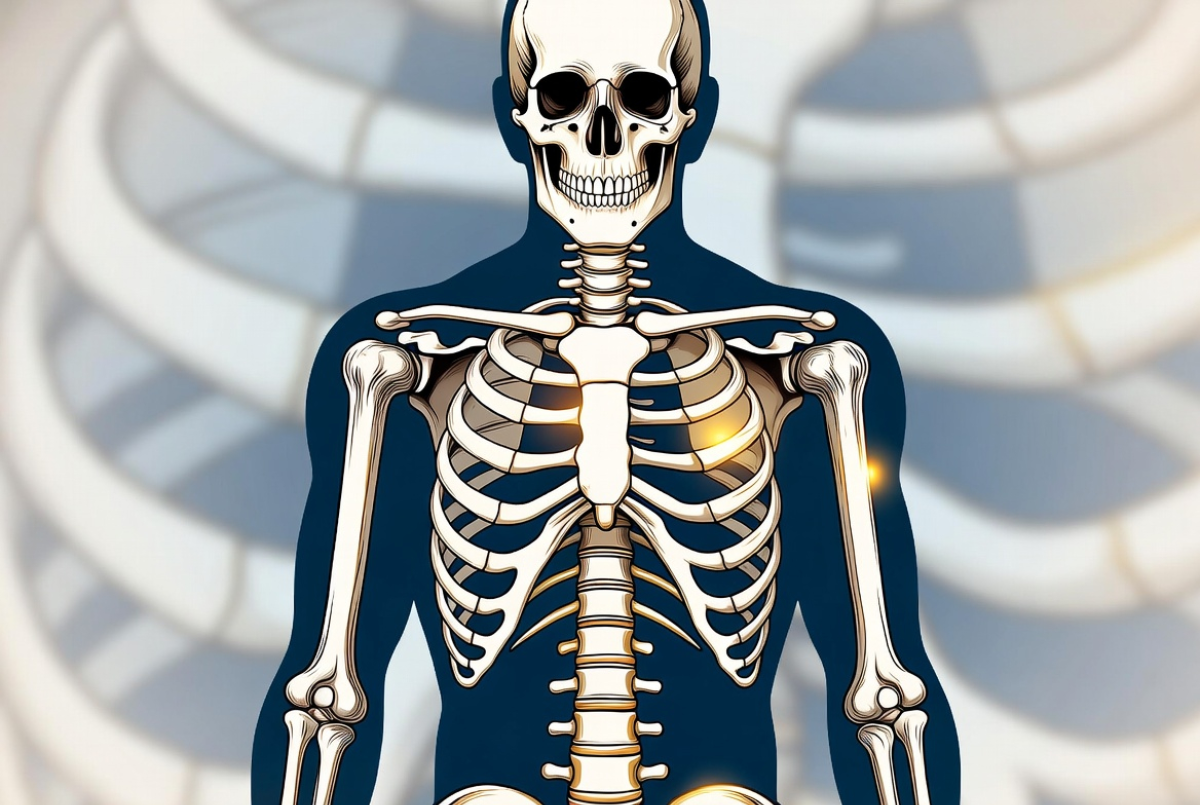
March in and around Columbus, IN, brings warmer weather and opportunities for outdoor activities, making it a great time to focus on bone health—a foundation for vitality at every age. Strong bones support kids’ growth, adults’ active lifestyles, and seniors’ independence. At Cove Direct Primary Care (DPC), we’re committed to empowering our community with evidence-based health knowledge. This guide dives into the science of bone health, offering practical, research-backed tips to help your family build and maintain strong bones for life.
The Science of Bone Health
Bones are dynamic tissues that constantly remodel, balancing growth and breakdown. Peak bone mass is reached by the early 20s, making childhood and adolescence critical for building strength, per the National Institutes of Health (NIH, 2023). For adults, maintaining bone density prevents fractures, while for seniors, it reduces osteoporosis risk. A 2021 study in Journal of Bone and Mineral Research found that adequate calcium, vitamin D, and physical activity are essential for bone health across all ages, while poor nutrition or inactivity accelerates bone loss.
3 Evidence-Based Insights on Bone Health
- Calcium and Bone Strength. Calcium is a key building block for bones, with 99% of the body’s calcium stored in the skeleton. The NIH recommends 1,000-1,200 mg daily for adults, 1,300 mg for kids aged 9-18, and 1,200 mg for seniors (NIH, 2023). A 2020 study in The American Journal of Clinical Nutrition showed that consistent calcium intake from foods like dairy, leafy greens, or fortified products reduces fracture risk by 15% in adults and seniors. For kids, calcium supports bone growth, reducing future osteoporosis risk.
- Vitamin D’s Role in Absorption. Vitamin D enhances calcium absorption in the gut, critical for bone mineralization. A 2022 study in Osteoporosis International found that low vitamin D levels increase fracture risk by 20% in seniors and impair bone growth in kids. The NIH recommends 600-800 IU daily for adults and kids, with higher needs for seniors. Food sources like fatty fish, egg yolks, and fortified milk, plus safe sun exposure, boost vitamin D, per the CDC (2023).
- Weight-Bearing Exercise for Bone Density. Weight-bearing and resistance exercises stimulate bone formation. A 2021 study in Medicine & Science in Sports & Exercise showed that activities like running or jumping increase bone density by 5-10% in kids and teens. For adults and seniors, exercises like walking or strength training reduce bone loss, per Journal of Gerontology (2022). Even low-impact activities, like tai chi, improve balance and prevent falls, critical for seniors.
Practical Bone Health Tips for Families
- Kids: Include calcium-rich snacks like yogurt or cheese sticks in school lunches. Encourage weight-bearing play, like jumping rope or soccer at Blackwell Park, for 60 minutes daily.
- Adults: Add leafy greens, like kale or spinach, to meals for calcium, available at local grocery stores like Jay C or Kroger. Try 30-minute brisk walks on People Trails 3-4 times weekly to support bone density.
- Seniors: Choose fortified cereals or milk for breakfast to boost calcium and vitamin D. Join a low-impact class, like tai chi at Donner Center (check www.columbusparksandrec.com for availability), to enhance balance and bone health.
- Family Fun: Plan a bone-healthy outing, like a family hike at Brown County State Park or a “calcium challenge” cooking night, making a dish like broccoli-cheese casserole.
Build Strong Bones for Life
By prioritizing calcium, vitamin D, and exercise, your family can build and maintain strong bones in Columbus, IN, this March and beyond. These evidence-based strategies support growth, resilience, and independence for all ages. Want to explore more ways to support your family’s health? Text (812) 227-6024 or visit www.covedpc.com to schedule a free consultation with Cove DPC and discover personalized care.
References:
- National Institutes of Health (NIH). (2023). Calcium and Vitamin D Guidelines.
- Journal of Bone and Mineral Research. (2021). Bone Health Across the Lifespan.
- The American Journal of Clinical Nutrition. (2020). Calcium Intake and Fracture Risk.
- Osteoporosis International. (2022). Vitamin D and Bone Health.
- Centers for Disease Control and Prevention (CDC). (2023). Vitamin D Sources and Health.
- Medicine & Science in Sports & Exercise. (2021). Weight-Bearing Exercise and Bone Density.
- Journal of Gerontology. (2022). Exercise and Bone Health in Seniors.